
Do visit our Youtube Channel
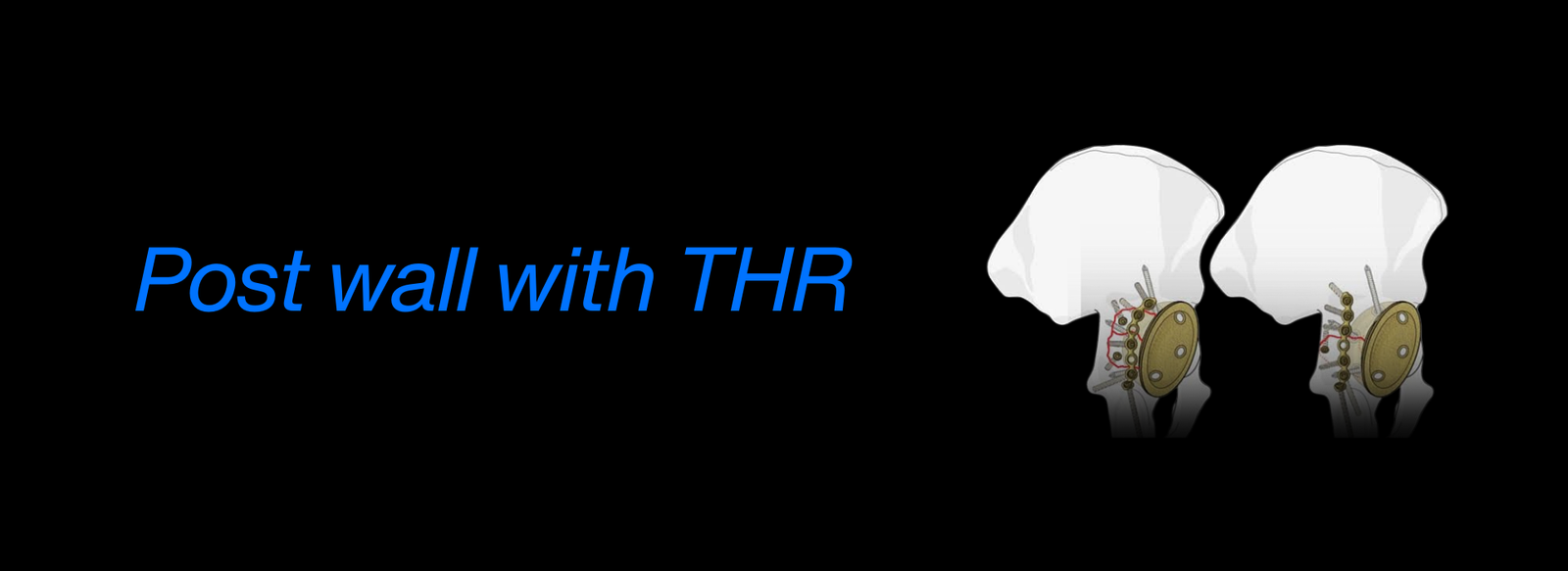
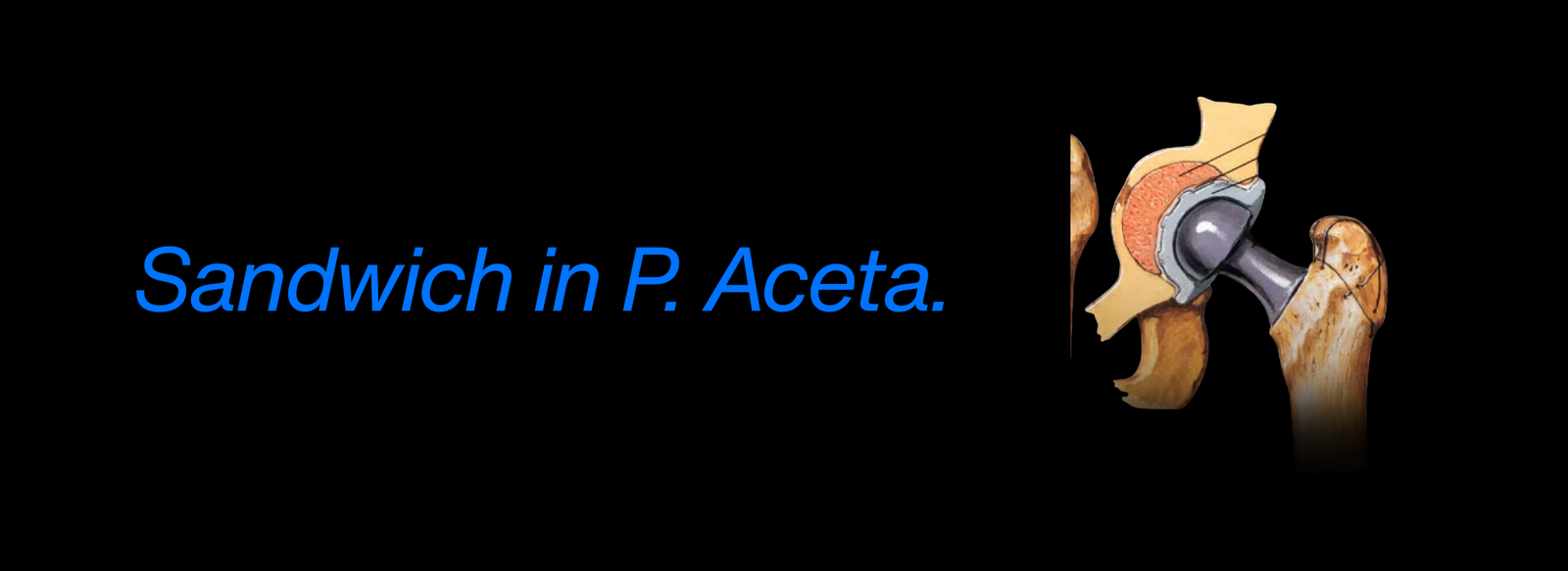
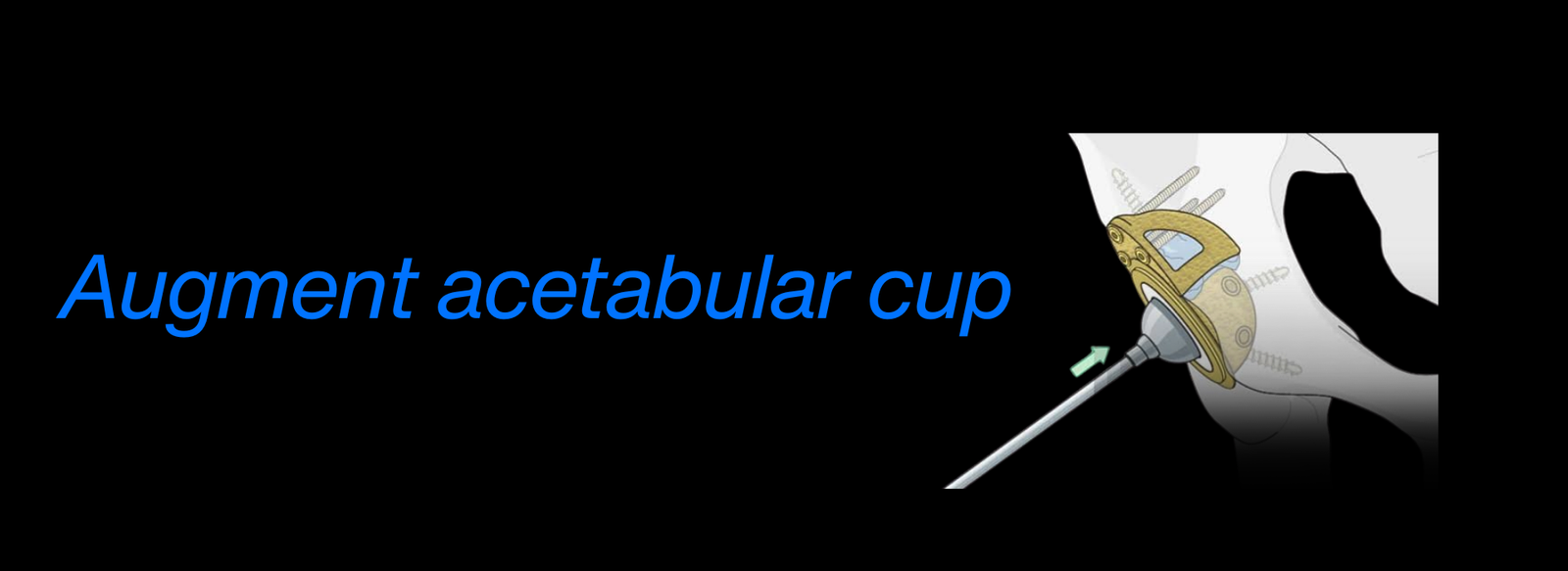
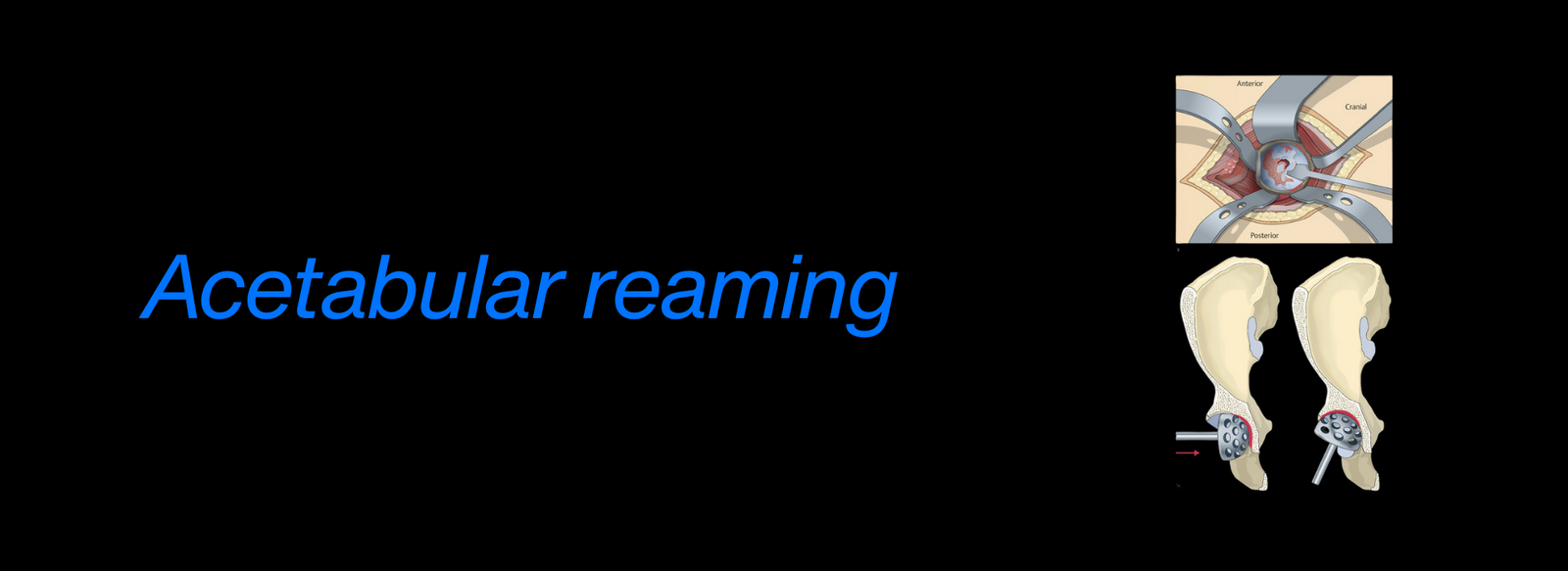
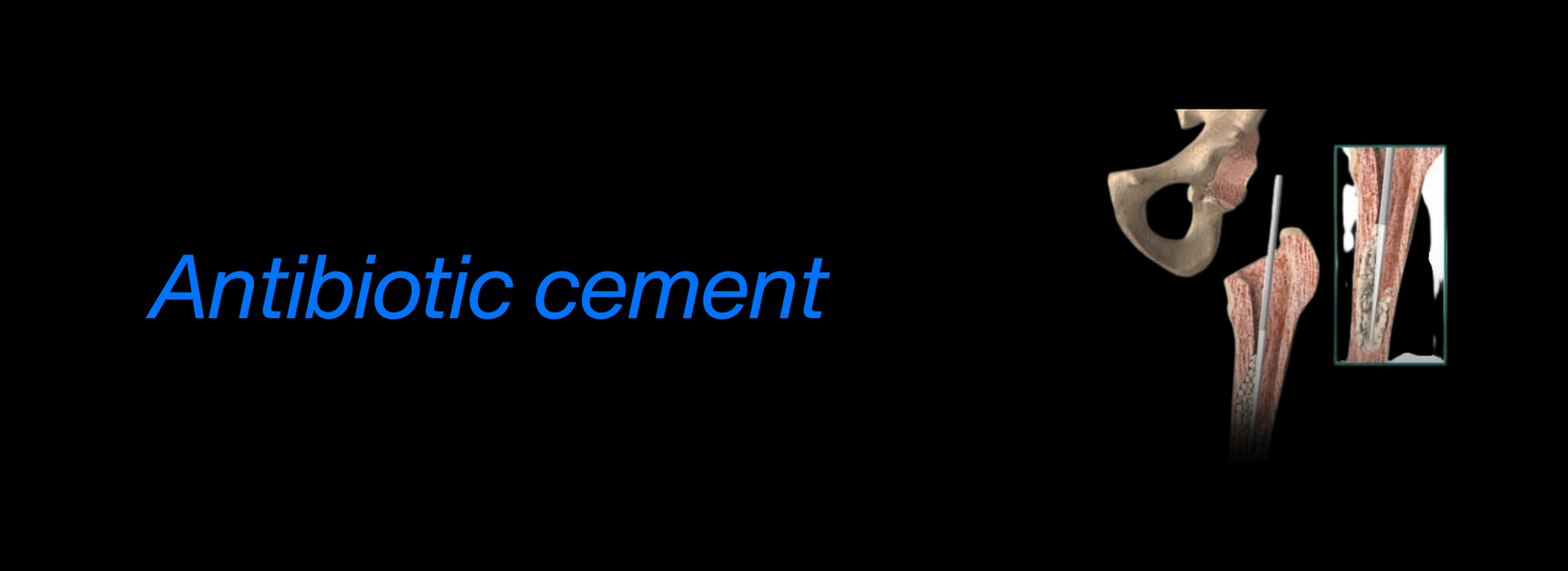
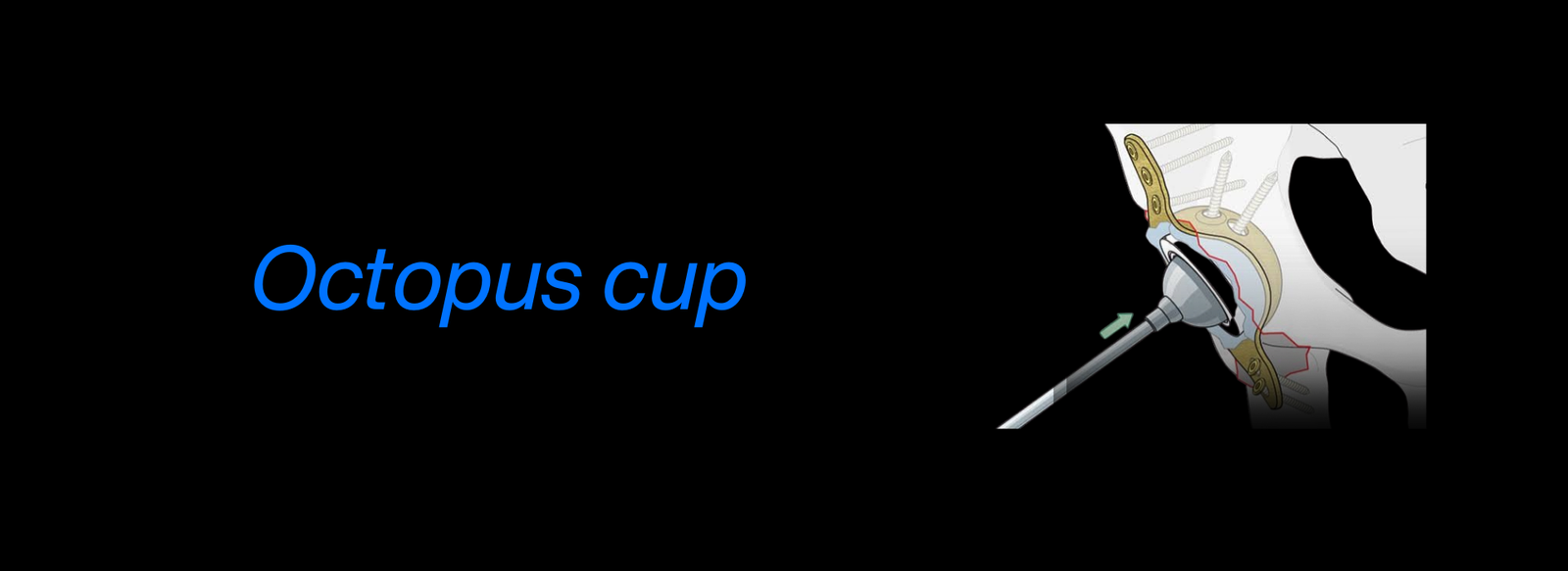
Hip treatment procedures address a variety of conditions such as fractures, arthritis, bursitis, tendonitis, or labral tears. Here is a comprehensive overview of treatment methods:
Non-Surgical Treatments
Medication
- Pain relievers: NSAIDs (e.g., ibuprofen, naproxen) to reduce pain and inflammation.
- Corticosteroid injections: To relieve inflammation in conditions like arthritis or bursitis.
- Hyaluronic acid injections: To lubricate the joint in cases of osteoarthritis.
Physical Therapy
- Strengthening exercises to improve hip stability and support.
- Range-of-motion exercises to reduce stiffness.
- Balance and gait training to prevent falls and injuries.
Lifestyle Modifications
- Weight management to reduce stress on the hip joint.
- Low-impact activities like swimming or cycling.
- Use of assistive devices (e.g., canes or walkers) for mobility support.
Heat/Ice Therapy
- Heat for chronic stiffness or muscle pain.
- Ice for acute injuries or inflammation.
Rest and Activity Modification
- Avoiding activities that worsen pain or strain the hip.
- Incorporating periods of rest during flare-ups.
Minimally Invasive Procedures
Hip Arthroscopy
- A minimally invasive surgery using small incisions and a camera (arthroscope).
- Used to treat:
- Labral tears
- Loose cartilage or bone fragments
- Impingement syndrome
- Early arthritis
Corticosteroid Injections
- To reduce inflammation in conditions like bursitis or tendonitis.
Surgical Treatments
Hip Fracture Repair
- Stabilization using screws, plates, or rods for fractures.
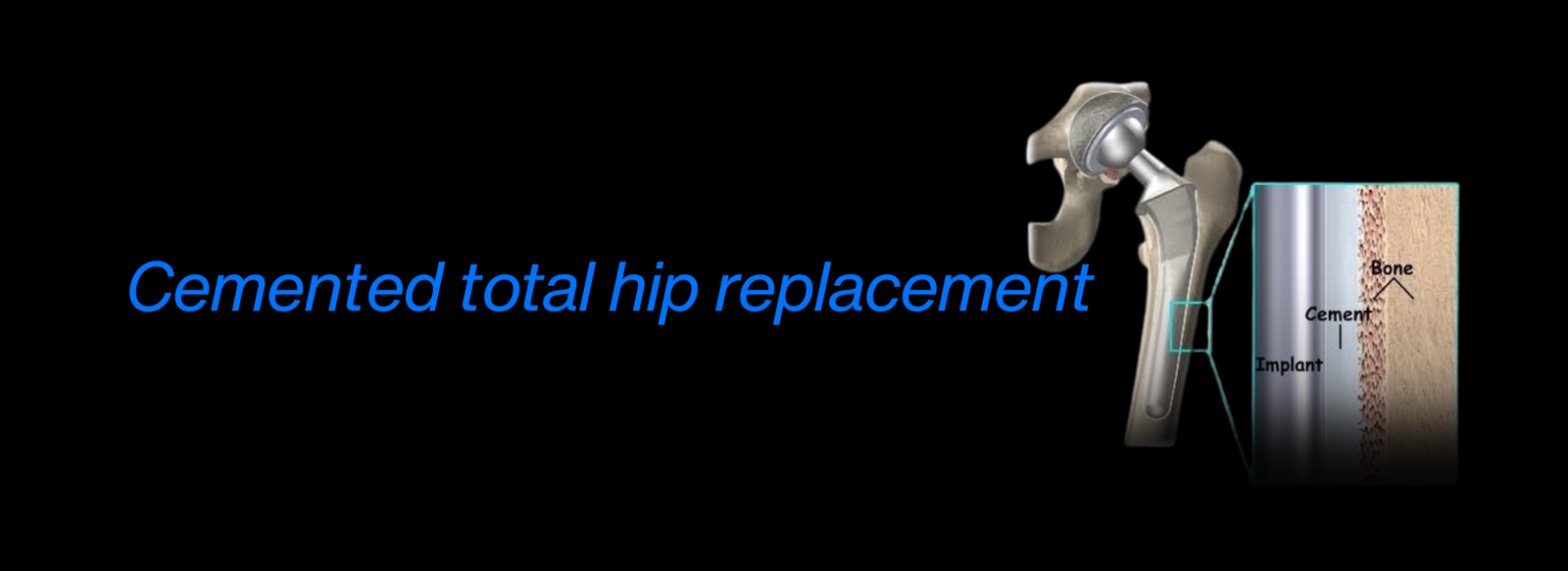
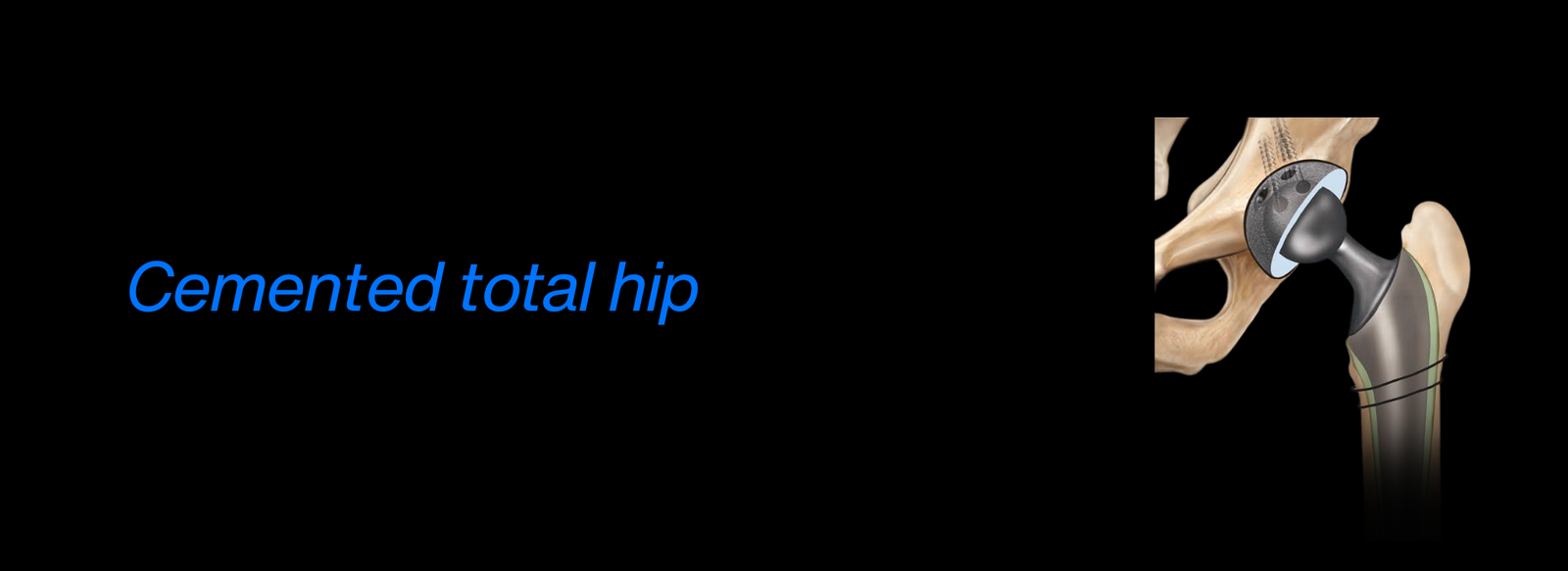
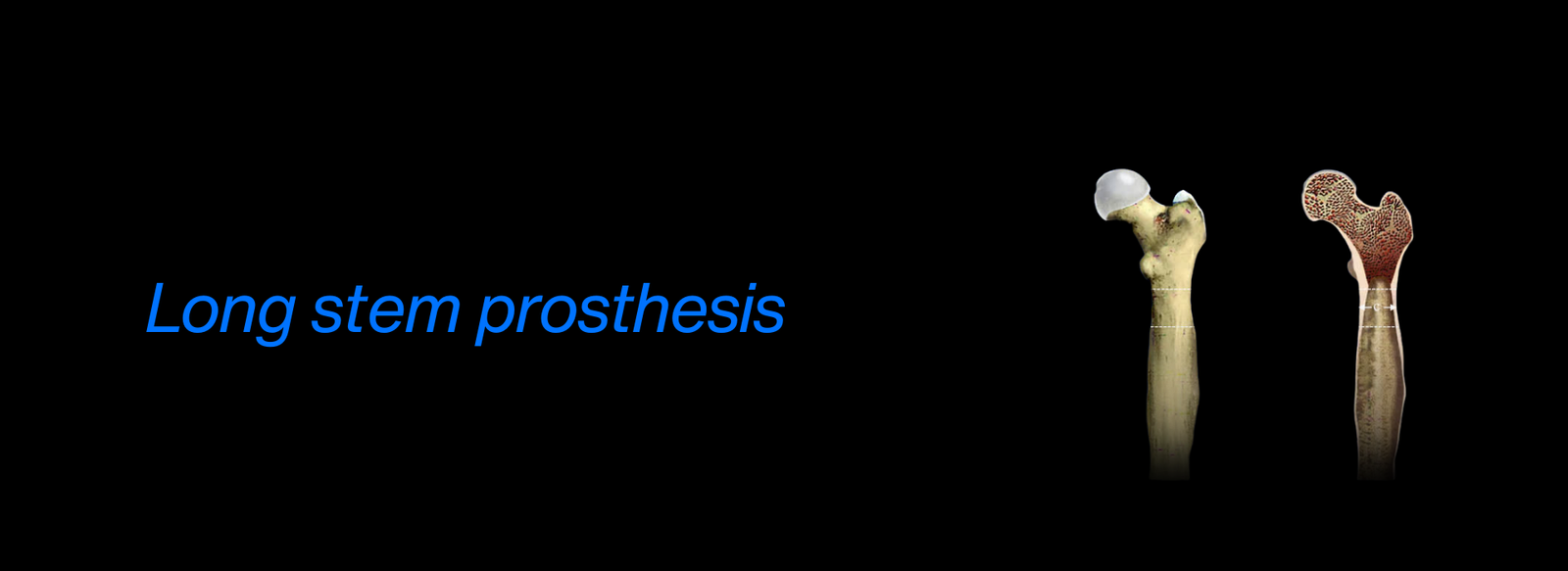
Total Hip Replacement (Arthroplasty)
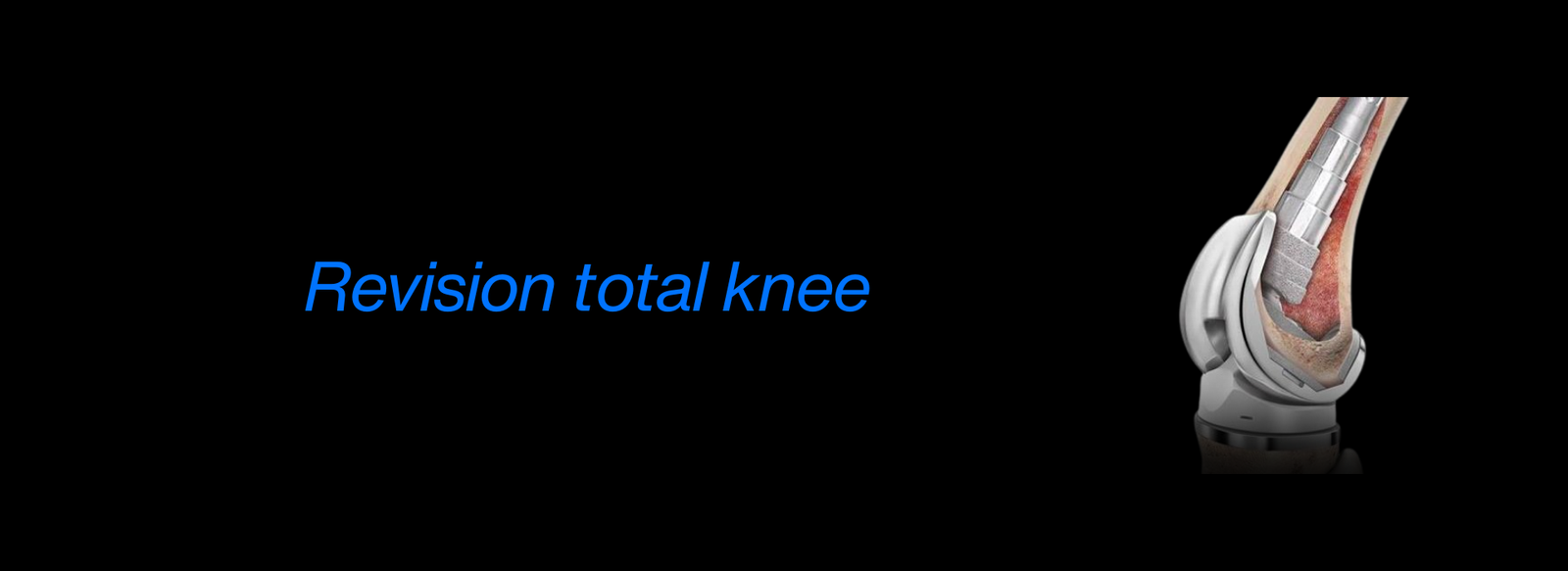
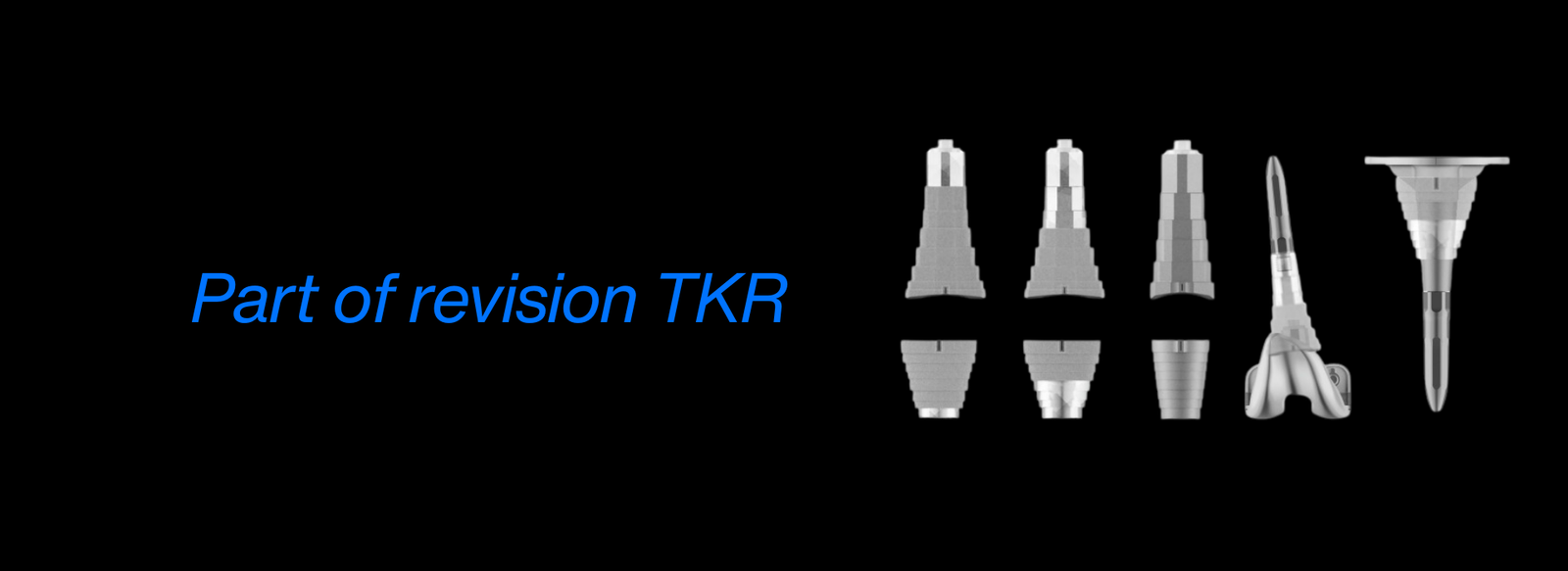
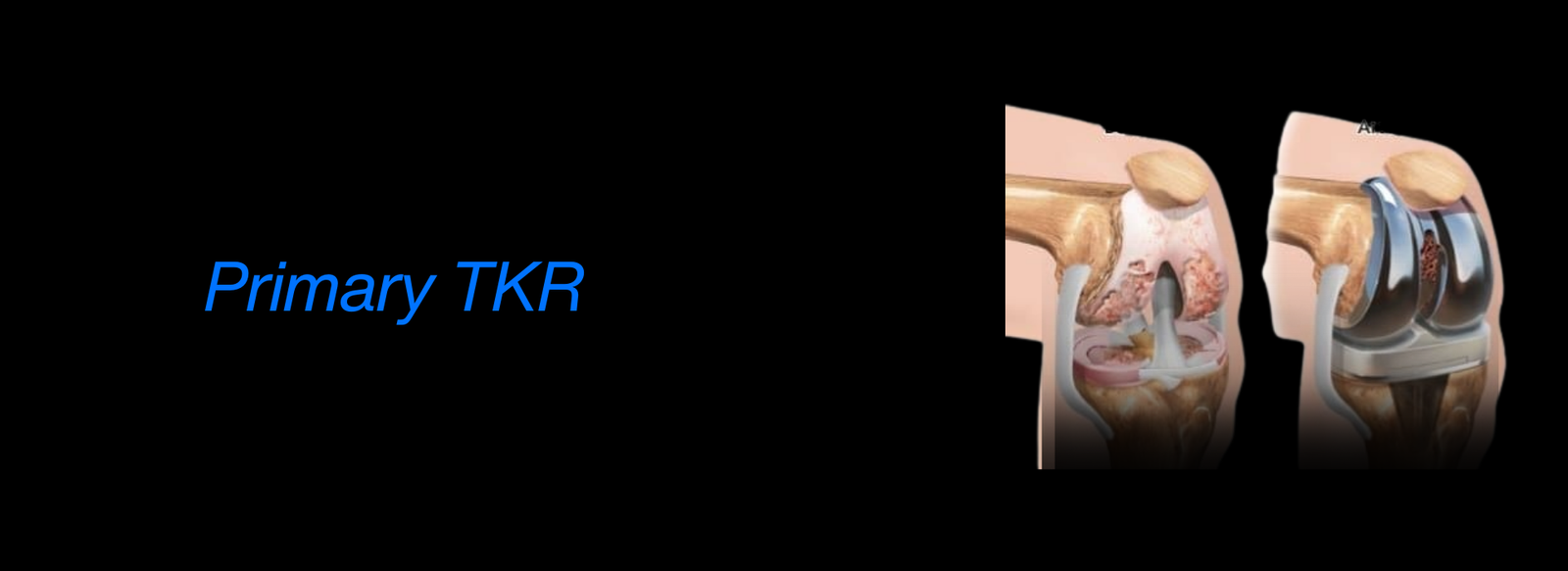
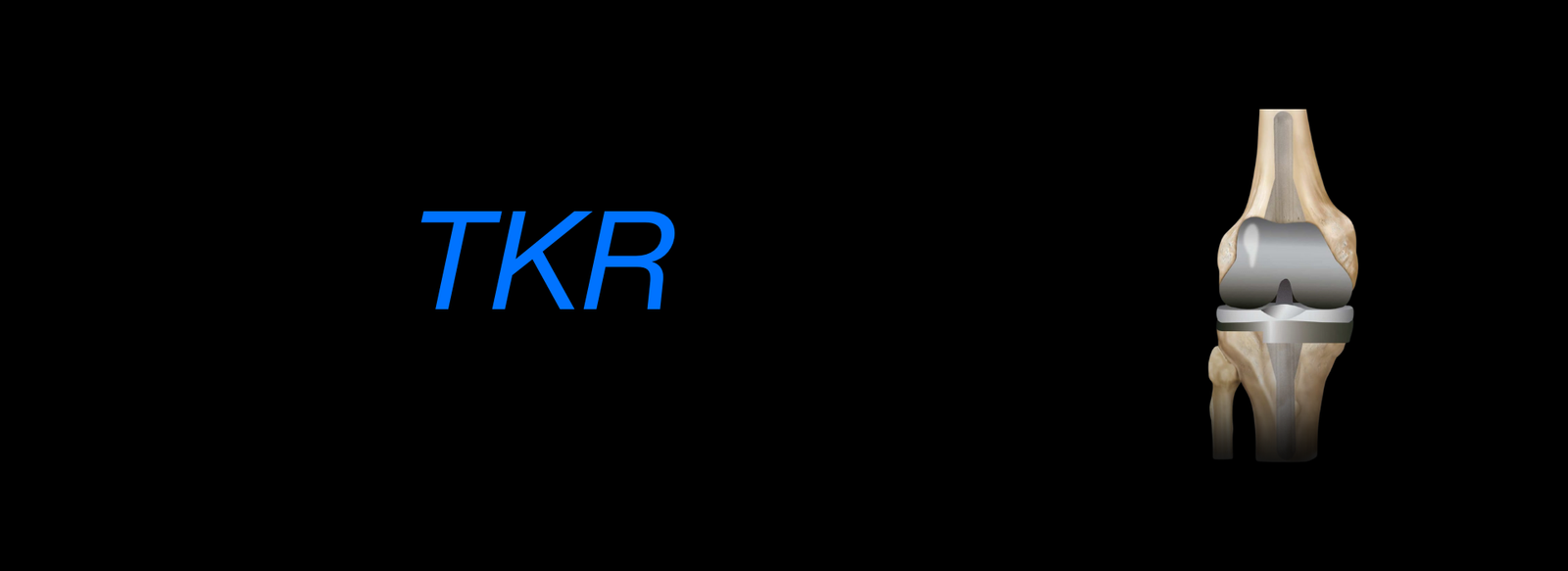
- Damaged cartilage and bone are removed and replaced with prosthetics.
- Typically performed for advanced arthritis or joint degeneration.
Partial Hip Replacement
- Only the femoral head (ball) is replaced, often used for fractures.
Hip Resurfacing
- An alternative to total hip replacement, preserving more natural bone.
- Suitable for younger, active patients with arthritis.
Osteotomy
- Surgical realignment of bones to improve joint function and delay arthritis progression.
Hip Fusion (Arthrodesis)
- The femur and pelvis are fused to eliminate pain from severe arthritis.
- Reduces motion but improves stability.
Rehabilitation Post-Treatment
- Physical Therapy: Essential to restore strength, mobility, and function.
- Gradual Weight-Bearing: Progressive increase in activity to ensure proper healing.
- Pain Management: Use of medications and ice/heat therapy.
- Monitoring for Complications: Regular follow-ups to check for infection, blood clots, or implant issues.
Common Hip Conditions Treated
- Arthritis: Total or partial hip replacement, injections, or therapy.
- Fractures: Surgery with fixation devices or replacement.
- Tendon or Muscle Injuries: Physical therapy or minimally invasive repair.
- Labral Tears: Arthroscopy for repair or debridement.
Consulting a hip specialist, such as an orthopedic surgeon, ensures a personalized treatment plan. Early intervention often improves outcomes and prevents further complications.

Dr. Md. Iftekharul Alam
- MBBS, BCS (Health), MS (Ortho), FACS (USA)
- FIJR (Kolkata), FASM (Bangalore),
- Fellowship in Arthroplasty and Arthroscopy
- Assistant Professor
- National Institute of Traumatology & Orthopaedic Rehabilitation (NITOR)
Opening Hours
-
Sat : 02:30 PM – 07:00 PM
Sun : 02:30 PM – 07:00 PM
Mon : 02:30 PM – 07:00 PM
Tue : 02:30 PM – 07:00 PM
Wed : 02:30 PM – 07:00 PM
Thu : 02:30 PM – 07:00 PM
Fri : 02:30 PM – 07:00 PM(Popular only on Fridays from 5:00 to 8:30 p.m)

