
Home » Blog » Best ACL Surgeon in Pune | Dr. Rahul Bade – Expert in ACL Reconstruction

What to Know About Choosing an ACL Surgeon in Bangladesh

When people search for an ACL surgeon in Bangladesh, they are usually not looking for a slogan. They are looking for a knee surgeon who can explain the injury clearly, decide whether surgery is truly needed, and guide recovery in a practical way. In my practice, I often see patients from Dhaka and other parts of Bangladesh who are trying to understand why their knee feels unstable after an ACL tear and what their real treatment options are.

An ACL injury can affect walking, stair climbing, sports, work, and confidence in the knee. A good surgeon should not only reconstruct the ligament when needed, but also help the patient protect the meniscus, cartilage, and long-term joint health.

What the ACL does and why it matters

The ACL, or anterior cruciate ligament, is one of the main stabilizing ligaments inside the knee. It helps control forward movement and twisting of the shin bone. When it tears, the knee may feel like it shifts, gives way, or cannot be trusted during turning, running, jumping, or quick direction changes.

In Bangladesh, I commonly see ACL injuries after football, cricket, badminton, gym training, road traffic trauma, twisting falls, and slips on wet or uneven ground. Some patients notice a pop and swelling soon after the injury. Others continue walking and only realize the problem later when the knee keeps giving way.

When to take an ACL injury seriously

Not every knee pain is an ACL tear, but certain features should make patients seek proper orthopedic evaluation. These include:

  • a popping sound at the time of injury
  • swelling within hours of the accident
  • repeated giving way of the knee
  • difficulty turning, squatting, or changing direction
  • loss of confidence while walking downstairs or on uneven ground

One important point I want Bangladeshi patients to understand is that repeated instability can damage the meniscus and cartilage over time. That is why an ACL injury should not be ignored for months without assessment.

Why the right surgeon is not just the most famous name

When I evaluate patients with ACL tears, I focus on a few practical questions. How badly is the knee unstable? Is the patient trying to return to pivoting sport? Is there meniscus injury? Is the knee stiff, swollen, or locked? Does the patient need surgery now, or can structured rehabilitation come first?

That is why I do not believe the right ACL surgeon should be judged by advertising alone. The better choice is a surgeon who can do all of the following well:

  • confirm the diagnosis carefully
  • explain the MRI in plain language
  • decide whether reconstruction is needed
  • perform arthroscopic surgery with precision when indicated
  • give a realistic rehabilitation plan
  • discuss risks, limits, and recovery honestly

Why MRI is important, but not enough by itself

MRI is very helpful for confirming an ACL tear and finding associated injuries. But MRI should not be read in isolation. In my practice, I also rely on history and physical examination. The story of the injury, the pattern of swelling, the degree of instability, and the patient’s activity level all matter.

Sometimes the ACL is torn, but the knee is functionally stable enough that surgery is not immediately necessary. In other cases, the knee may look manageable on paper but still fail during daily life or sport. The treatment decision should come from the full clinical picture, not from the report alone.

When ACL reconstruction is usually considered

ACL reconstruction is often recommended when the knee is unstable and the patient wants to return to an active lifestyle. It is also more strongly considered when there are associated meniscus injuries or when repeated giving way is already happening.

Situations that often favor surgery

  • repeated instability or “giving way”
  • desire to return to football, cricket, badminton, or other pivoting sports
  • meniscus injury along with ACL tear
  • physically demanding work
  • failure of rehabilitation to restore reliable knee control

Situations where non-operative care may be possible

  • lower activity demands
  • no recurrent instability
  • good muscle control and structured physiotherapy response
  • patient preference after proper orthopedic counseling

The decision should be individualized. Not every torn ACL needs immediate reconstruction, and not every patient benefits from delaying too long.

How I approach ACL reconstruction

I usually explain to my patients that ACL reconstruction is not only about replacing a torn ligament. It is about restoring stability so the knee can function safely over the long term.

Before surgery, I want the knee to be ready. A very swollen or stiff knee is not ideal for reconstruction. Swelling control, movement recovery, and quadriceps strengthening before surgery can improve the quality of rehabilitation afterward. This preparation is especially important for patients in Bangladesh who may need to balance treatment with work, study, family responsibilities, and travel.

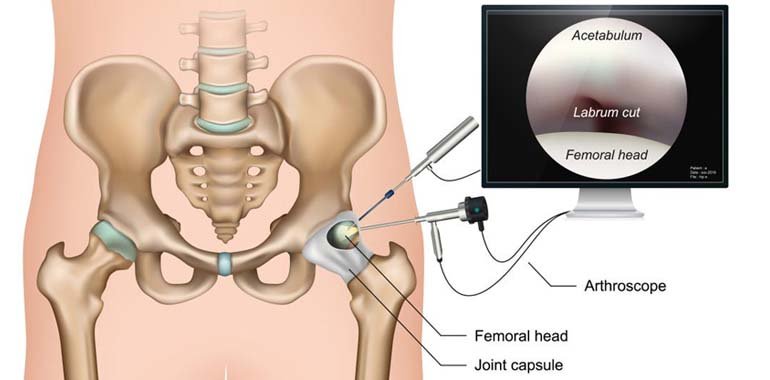
ACL reconstruction is usually performed arthroscopically. Arthroscopy allows the surgeon to work through small incisions using a camera and specialized instruments. This helps inspect the entire joint, assess the meniscus and cartilage, and reconstruct the ligament with precision.

What recovery really looks like

Recovery after ACL reconstruction takes time. I say this clearly because many patients expect a quick fix, while others become afraid of moving the knee at all. Neither approach is helpful.

Early recovery focuses on swelling control, pain relief, regaining full knee extension, restoring bending, and reactivating the thigh muscles. Later phases focus on strength, balance, gait, coordination, and eventually sport-specific movement if the patient needs it.

Return to work, stair climbing, jogging, running, and sport all happen on different timelines. The exact plan depends on the knee, the graft, associated injuries, and how well rehabilitation progresses.

Factors that influence recovery

  • condition of the knee before surgery
  • associated meniscus or cartilage damage
  • physiotherapy quality and consistency
  • swelling and stiffness control
  • muscle strength and movement control
  • patience with gradual return to activity

In my practice, I often remind patients that steady recovery is better than rushed recovery. A strong knee at the right time matters more than an early return that causes another injury.
ACL Injury Care by Dr. Md. Iftekharul Alam

What patients in Dhaka and Bangladesh should ask

Patients often come to me unsure what to ask before choosing a knee surgeon. These questions are useful:

  • Is my ACL fully torn or partially torn?
  • Are there meniscus or cartilage injuries too?
  • Do I really need surgery, or can rehabilitation help first?
  • What type of graft or surgical plan is suitable for me?
  • How long will recovery take for daily life and work?
  • What activities should I avoid after surgery?

These are better questions than searching only for a title. A good surgeon should welcome careful questions and answer them in plain language.

When urgent evaluation is needed

Some symptoms need prompt medical attention, not routine waiting. Patients should seek urgent orthopedic review if they have:

  • severe swelling after injury
  • inability to bear weight
  • a locked knee that cannot straighten
  • visible deformity after trauma
  • numbness, coldness, or weakness in the leg or foot
  • fever, redness, or worsening pain after treatment or surgery

If the injury happened in a road traffic accident or there is concern for fracture, that should be assessed urgently as well.

Why patients search for ACL surgeon in Bangladesh, Dhaka, and nearby areas

People often search using terms like ACL surgeon in Bangladesh, ACL reconstruction in Dhaka, knee ligament surgery in Bangladesh, or arthroscopic ACL surgery. Those searches usually reflect a simple need: the patient wants a surgeon who understands both the injury and the realities of treatment in Bangladesh.

That means clear diagnosis, practical counseling, arthroscopic skill, and honest follow-up planning. It also means recognizing that patients may need support with physiotherapy access, travel from outside Dhaka, and realistic return-to-work decisions.

How I advise patients to compare ACL care objectively

A careful ACL decision is usually based on diagnosis, associated injuries, arthroscopic planning, and rehabilitation support rather than branding. I encourage patients to compare how clearly the surgeon explains instability, meniscus or cartilage injury, graft choice, timeline for return to sport, and the likely rehabilitation demands after surgery.

That approach keeps the page useful for Bangladeshi patients without turning an important medical decision into a slogan.

A Practical Checklist for Families in Dhaka and Bangladesh

When I advise patients about choosing a surgeon, I suggest looking beyond a title or a marketing phrase. A better discussion includes whether the doctor regularly evaluates this exact problem, whether non-surgical options have been explained honestly, what hospital and anesthesia support are available, and how rehabilitation will be arranged after discharge.

Families should also ask practical questions that matter in Bangladesh: how far follow-up travel will be, whether nearby physiotherapy is available, whether stairs or prayer position will affect recovery, and how diabetes, weight, or work demands might influence the result. These details often matter more than a dramatic claim online.

How I advise patients to judge an ACL opinion

When I evaluate patients with ACL tears, I want them to understand not only whether surgery is possible, but whether it is appropriate for their knee, work, and sport. A useful ACL consultation should cover instability symptoms, meniscus and cartilage risk, graft choices, rehabilitation expectations, and realistic return-to-sport timing. Those details matter more than any promotional wording.

For patients in Dhaka and across Bangladesh, I also encourage asking how follow-up will be handled if swelling, stiffness, or delayed strength recovery develops. A trustworthy plan is practical, transparent, and focused on long-term knee function.

ACL Surgery Questions I Suggest Patients Ask

For ACL problems, I usually recommend asking whether the knee is truly unstable, whether the meniscus or cartilage is also injured, what graft plan is being considered, and how return to football, cricket, badminton, gym work, or manual labor will be phased. In Bangladesh, the quality and consistency of rehabilitation often influence the final result as much as the operation itself.

How I advise patients to choose wisely

I usually encourage patients to choose an ACL surgeon based on diagnosis, arthroscopy experience, graft discussion, rehabilitation planning, and honest counseling about return to sport. Those factors are more useful than a label that sounds promotional.

For patients in Bangladesh, the most practical question is whether the full pathway is in place. A surgeon may perform the reconstruction well, but the outcome still depends on swelling control, physiotherapy access, staged strength recovery, and realistic timing for sport and work.

Final thoughts

Searching for the ACL surgeon in Bangladesh should lead to a careful medical decision, not just a marketing claim. In my practice, I focus on explaining the injury, confirming whether reconstruction is appropriate, and guiding patients through a recovery plan that fits their daily life in Bangladesh.

For many patients, the real goal is not just surgery. The goal is a stable knee, protected joint health, and a safe return to normal life, work, and sport.

A better question than who is “best”

When families in Bangladesh search for an ACL surgeon, I encourage them to ask a more useful question: who can confirm the diagnosis properly, explain the need for surgery honestly, protect the meniscus and cartilage when possible, and guide rehabilitation step by step. That is usually more helpful than trying to rank surgeons by promotional language.
Before proceeding, patients should ask about graft options, expected return-to-work timing, physiotherapy availability, and how the plan changes if swelling, stiffness, or associated meniscus injury is present.

Choosing an ACL Surgeon in Bangladesh: What Patients Should Know About ACL Reconstruction

  1. AAOS OrthoInfo. ACL Injuries: Does My Child Need Surgery?
  2. AAOS OrthoInfo. Anterior Cruciate Ligament (ACL) Injuries.
  3. AAOS OrthoInfo. ACL Reconstruction.

About Dr. Md. Iftekharul Alam

Dr. Md. Iftekharul Alam, MBBS (Dhaka), MS (Nitore/Pangu Hospital), F.A.C.S (USA), F.I.J.R (Kolkata), F.A.S.M (Osaka, Japan), is an Orthopedic Surgery specialist focused on arthroscopy and arthroplasty. He is an Assistant Professor at the National Institute of Traumatology and Orthopedic Rehabilitation (NITOR). His clinical work includes knee and shoulder arthroscopy, hip and knee replacement, sports injuries, ACL/PCL ligament injuries, trauma, and other joint conditions.

FAQs BY PATIENTS

I usually advise patients to focus on diagnosis quality, communication, treatment reasoning, and rehabilitation planning rather than promotional claims. In Bangladesh, it is also practical to ask how follow-up, physiotherapy access, and travel from outside Dhaka will be handled.

Ask what the diagnosis is, whether imaging is really needed, whether non-surgical treatment is still reasonable, and what recovery would involve if surgery is advised. Clear answers to those questions usually matter more than a dramatic label online.

Not always before the first visit. Many patients first need an examination so the right test can be chosen, because some problems are best assessed with X-ray, some with MRI, and others may not need advanced imaging immediately.

A technically good operation still depends on physiotherapy, pain control, walking support, and home care after discharge. In Dhaka and across Bangladesh, I encourage families to discuss stair use, transport, work leave, and nearby rehabilitation options early.

A second opinion is sensible when surgery is advised quickly, the diagnosis remains unclear, or the explanation does not match the symptoms. Urgent review is more important when there is severe swelling, inability to bear weight, a locked joint, fever, deformity, or new numbness.

    Click to Chat
    Click to Chat
    Scroll to Top