When a patient searches for an orthopedic surgeon in Dhaka, they are usually not looking for a title alone. They are looking for the right doctor for a real problem: knee pain, shoulder pain, a sports injury, a fracture, arthritis, back pain, or a joint that is no longer working well. In my practice, I often see that the hardest part is not only the treatment decision. It is first understanding which type of orthopedic specialist is actually relevant.
That is why I advise patients and families in Bangladesh to slow down and look beyond a name or a profile page. A good orthopedic decision depends on diagnosis, communication, training, subspecialty focus, and whether the proposed treatment fits the patient’s daily life.
What I Tell Patients Before They Choose
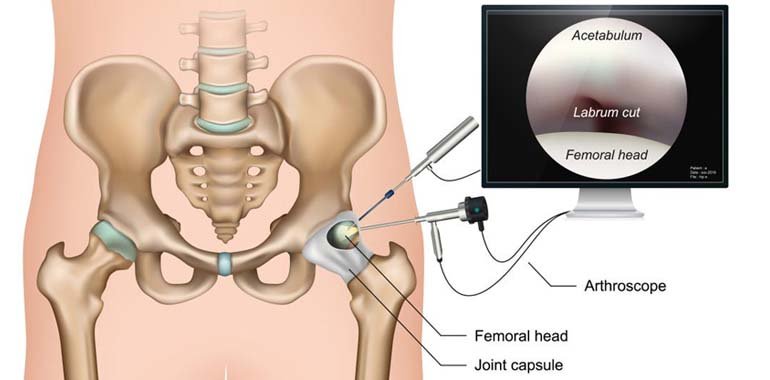
I usually explain to my patients that an orthopedic surgeon should not be chosen only because the name appears often online. A surgeon may be experienced, but still not be the best fit for every problem. One doctor may focus more on arthroscopy, another on arthroplasty, another on trauma surgery, and another on spine or hand conditions.
If you have a ligament injury, meniscus tear, or sports injury, you may need a surgeon with arthroscopy experience. If you have severe knee arthritis or hip arthritis, a surgeon who regularly performs joint replacement may be more relevant. If you have a fracture after an accident, trauma experience matters more. The right choice depends on the problem, not on the loudest profile.
Match the Surgeon to the Problem
One of the most common mistakes I see is that patients search for an orthopedic surgeon before clearly understanding the nature of the condition.
For example:
- Knee pain can come from arthritis, ligament injury, meniscus injury, cartilage wear, inflammation, or referred pain from another area.
- Shoulder pain may be related to rotator cuff disease, frozen shoulder, instability, arthritis, or a neck problem.
- Back pain may be mechanical, nerve-related, inflammatory, or sometimes linked to hip or sacroiliac disease.
- Swelling after an injury may be a simple sprain, but it may also hide a fracture or ligament tear.
That is why I recommend starting with the problem itself. Once the diagnosis is clearer, it becomes much easier to decide whether the surgeon’s background matches the case.
Common Orthopedic Areas Patients Search For
Patients in Dhaka and across Bangladesh often search for terms such as:
- orthopedic surgeon in Dhaka
- orthopedic specialist in Bangladesh
- knee specialist
- shoulder specialist
- ACL surgeon
- sports injury doctor
- joint replacement surgeon
- arthroscopy surgeon
These search terms are helpful only if they match the actual diagnosis. Search intent should guide the first step, not the final decision.
What Credentials Matter
Bangladeshi patients often ask me what qualifications they should look for. A basic medical degree is important, but it is not enough by itself to judge specialist training. Patients should look for recognized orthopedic postgraduate training, relevant surgical experience, and a practice focus that fits the problem being treated.
Fellowship exposure may matter in areas such as:
- knee arthroscopy
- shoulder arthroscopy
- ACL and PCL reconstruction
- hip and knee replacement
- sports injury care
- trauma surgery
Still, I always remind patients that credentials should support sound clinical judgment. A long list of degrees does not replace a careful history, physical examination, imaging review, and a clear explanation of treatment options.
What a Good Consultation Should Include
When I evaluate a patient, I want the consultation to answer practical questions, not create more confusion.
I usually expect the visit to cover:
- The most likely diagnosis
- Other possible causes that should be ruled out
- Whether imaging or tests are actually needed
- Whether surgery is necessary now or later
- Whether non-surgical treatment is still reasonable
- What recovery will look like if surgery is advised
If these points are not addressed clearly, the patient should pause and ask for more explanation. Orthopedic care should feel understandable, not mysterious.
Questions I Encourage Patients to Ask
Before agreeing to a major treatment plan, I encourage patients to ask:
- What exactly is the diagnosis?
- Why do you think this diagnosis is most likely?
- Do I need an X-ray, MRI, or blood test?
- Is surgery the only option?
- What are the non-surgical choices?
- What are the expected benefits and limitations?
- How long will recovery take?
- What rehabilitation will I need afterward?
These questions are simple, but they are powerful. They help patients make a decision based on medical reasoning rather than fear or pressure.
Why Communication Matters in Bangladesh
In Bangladesh, many patients come with family members, and many are balancing pain with work, household duties, travel, and financial concerns. Because of that, a surgeon’s communication style matters a great deal.
I usually explain to patients that they should feel free to ask basic questions. A strong orthopedic consultation should be calm, specific, and honest. If a doctor cannot explain the problem in clear language, that is a warning sign. If the treatment plan sounds rushed or overly promotional, patients should be careful.
Good orthopedic care is not only about the procedure. It is also about whether the patient truly understands the next steps.