When people search for cyst removal doctors in Dhaka, they are usually not looking for theory alone. They want to know whether the lump is serious, whether it needs surgery, and which type of doctor is appropriate for evaluation and removal. In my practice, I often see patients who have lived with a swelling near the wrist, knee, foot, shoulder region, or another joint for months before seeking help. Some come because of pain. Others come because the lump is growing, interfering with movement, or creating understandable anxiety.[1][2]
One important point I want Bangladeshi patients and families to understand is that not every cyst needs to be removed, and not every lump near a joint is the same kind of cyst. Some are harmless ganglion cysts. Some are related to inflammation inside a joint, such as a Baker’s cyst behind the knee. Some are linked to cartilage, tendon sheath, or bone problems. That is why the first priority is correct diagnosis, not rushing straight to surgery.[1][3][4]
What “cyst removal” can mean in orthopedic practice
In orthopedic surgery, the word “cyst” can refer to several different problems. The treatment is not one-size-fits-all.
Common orthopedic or musculoskeletal cyst-related problems
- ganglion cysts around the wrist, hand, foot, or joints
- Baker’s cysts behind the knee
- parameniscal cysts associated with meniscus injury
- cystic swellings related to tendon sheaths
- some benign bone cysts in selected patients
This matters because the right doctor depends partly on the location and likely cause. A cyst near the wrist or shoulder joint may need a different evaluation approach than a cyst behind the knee or a cyst associated with bone.[1][2][5]
When a cyst should be assessed by an orthopedic doctor
Many benign cysts can be observed safely, especially when they are painless and not affecting function. However, patients should not assume that every lump is harmless just because it looks small.
I recommend evaluation when a cyst:
- is painful
- is increasing in size
- causes weakness or restricted movement
- creates numbness or tingling
- returns after previous aspiration
- sits near a joint and interferes with function
- is associated with injury, swelling, or mechanical symptoms
- raises uncertainty about the diagnosis
AAOS notes that many ganglion cysts do not need treatment, but if the cyst hurts, affects function, or returns after simple treatment, further management may be needed.[1]
What types of cysts I commonly discuss with patients in Dhaka
Ganglion cyst
Ganglion cysts are among the most common lumps around the hand and wrist. They are fluid-filled and usually arise from tissue near a joint or tendon sheath. They are not cancerous, and many can simply be observed. However, some become painful, press on nearby nerves, or interfere with daily hand use.[1][2]
In Dhaka, I often see patients with ganglion-type swellings who are troubled by writing, typing, lifting cookware, carrying school bags, riding motorbikes, or doing repetitive household work. When symptoms affect daily function, treatment discussions become more relevant.
Baker’s cyst
A Baker’s cyst, also called a popliteal cyst, develops behind the knee and is often related to another knee problem such as meniscus tear, osteoarthritis, rheumatoid arthritis, or ACL-related joint irritation.[3]
This is an important example because the correct treatment is often not just “remove the cyst.” The real issue may be the underlying knee pathology producing excess joint fluid. If that internal cause is not addressed, the cyst may persist or recur.[3]
Parameniscal cyst
A parameniscal cyst is commonly related to a meniscus tear. Patients may notice swelling near the joint line, discomfort, and sometimes catching or locking symptoms. In these cases, removing or decompressing the cyst without properly addressing the meniscus problem may not solve the whole issue.[4]
Bone cysts and other deeper lesions
Some cystic bone lesions are benign, but they still need proper imaging and orthopedic judgment. AAOS notes that certain bone cysts can weaken bone and increase fracture risk, especially in younger patients.[5]
How to choose the right cyst removal doctor in Dhaka
When people use the phrase “cyst removal doctors in Dhaka,” what they often need is not a random list of names. They need a method for choosing the right type of specialist.
Questions I suggest patients think about
- Is the cyst near a joint, tendon, or bone?
- Does it cause pain or only a visible lump?
- Is there numbness, weakness, or restricted movement?
- Is there a history of knee, wrist, foot, or shoulder symptoms?
- Has the swelling returned after aspiration or previous treatment?
- Does the doctor evaluate both diagnosis and treatment options, not just removal?
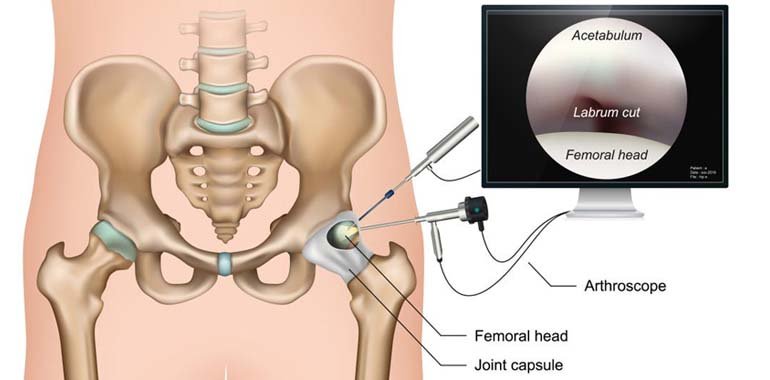
For orthopedic-region cysts, the best fit is often a surgeon who regularly evaluates joints, soft tissue masses around joints, sports injuries, cartilage disorders, and arthroscopic problems. The reason is simple: in many cases, the cyst is a sign of another structural problem rather than an isolated lump.
Why diagnosis comes before removal
In my practice, I do not start from the assumption that every cyst should be cut out. I start with diagnosis.
Good evaluation may include
- careful history
- physical examination
- checking change in size and tenderness
- evaluating nearby nerve symptoms
- looking for associated joint pathology
- X-ray in selected cases
- ultrasound or MRI when needed