When knee pain, back pain, a sports injury, or a sudden fracture disrupts daily life, many patients in Dhaka type a simple query into their phone: “orthopedic doctor near me in Dhaka”. I understand that urgency. In my practice, I often see patients arrive after weeks or months of trying home remedies, pain medicines, or unstructured physiotherapy without a clear diagnosis.
Orthopedics is not only about surgery. It is about understanding what structure is causing the problem (bone, cartilage, ligament, tendon, nerve, or joint lining) and then choosing the most sensible next step. This article is general patient education, not personal medical advice, but it will help you make a safer, more informed decision in Bangladesh.
Start by defining your real problem
Before you choose a doctor, clarify what you are actually seeking help for. Orthopedic problems often fall into a few common buckets:
- pain that limits walking, stairs, work, or sleep
- swelling, stiffness, locking, or giving-way in a joint
- injury after a fall, road traffic accident, sports event, or heavy lifting
- deformity, weakness, numbness, or loss of function
- long-standing arthritis that is worsening
This matters because a doctor who is excellent at one area may not be the best match for a different area. For example, a ligament injury around the knee is a different pathway from advanced knee arthritis, and both are different from spine-related nerve pain.
Look for the right match of training and focus
In Dhaka, you will find general orthopedists and also doctors with more focused interests such as:
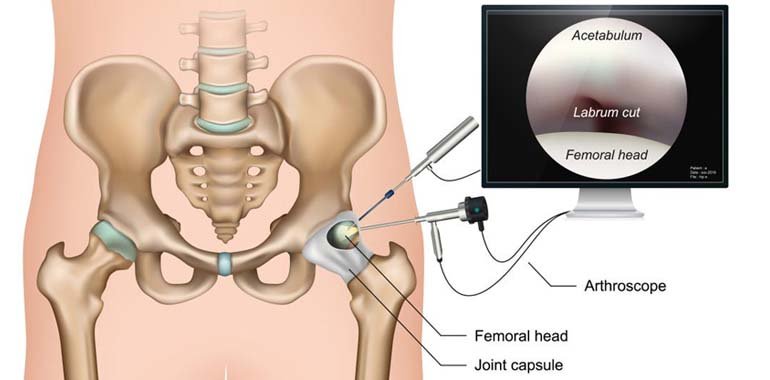
- sports injuries and arthroscopy (knee and shoulder)
- joint replacement (hip and knee arthroplasty)
- trauma and fracture care
- spine problems
- hand and wrist conditions
- foot and ankle problems
When I evaluate patients, I want the diagnosis to guide the treatment plan, not the other way around. If your symptoms suggest a meniscus tear, ligament injury, or shoulder instability, an arthroscopy-focused approach may matter. If the core issue is advanced arthritis limiting daily life, a joint replacement-focused pathway may matter more.
Prioritize diagnostic thinking over quick promises
One red flag I want Bangladeshi patients to recognize is this: a confident promise without a careful assessment is not a good sign.
A proper orthopedic evaluation usually includes:
- a clear history (how it started, how it worsens, what relieves it)
- a focused physical examination
- review of past reports and imaging
- decision on whether further imaging is truly needed
- a plan that is staged and realistic
Many patients assume an MRI is the first step. Often, it is not. Sometimes an X-ray is enough to show arthritis, fracture, or deformity. Sometimes no imaging is needed at the first visit, especially for early overuse problems. Imaging is a tool, not the diagnosis itself.
Ask what conservative (non-surgical) options are reasonable
Most orthopedic problems do not need immediate surgery. In Bangladesh, I often explain to families that the goal is to choose the least invasive option that still solves the problem safely.
Common non-surgical options include:
- activity modification and load management
- pain control with safe medication choices (based on your medical conditions)
- physiotherapy with clear goals (mobility, strength, balance)
- supportive braces or splints in selected cases
- guided injection therapy in selected cases (not for every patient, and not repeatedly without a reason)
A good orthopedic plan should explain what you can do at home and what the expected timeline is. Vague advice like “just rest” or “avoid running” without a clear next step often leaves patients stuck.