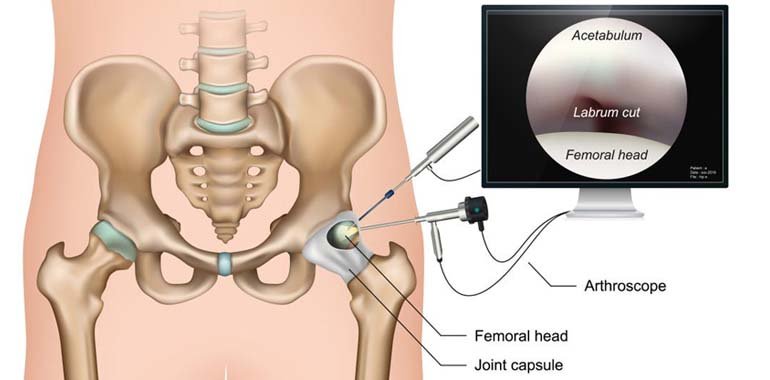
In my practice, I often see patients in Dhaka who have delayed hip evaluation for a long time. Hip pain can start as a mild ache in the groin, buttock, or outer thigh, and people may assume it is only a “muscle problem. Over time, walking becomes difficult, limping develops, and daily life becomes smaller. That is usually when families begin searching seriously for a hip replacement surgeon in Dhaka.
Choosing the right surgeon is important, but I encourage patients to approach this decision with calm, practical thinking. The best choice is not based on slogans. It is based on diagnosis, clear communication, safe hospital systems, and a realistic rehabilitation plan.
First, confirm whether hip replacement is truly needed
Before choosing a surgeon, the most important question is whether hip replacement is the right operation for your condition.
Hip replacement is usually considered when:
- hip pain limits walking, standing, or daily work
- stiffness reduces movement (difficulty sitting, standing, or using the bathroom)
- pain persists despite physiotherapy, medicines, and activity modification
- imaging shows significant joint damage and symptoms match the damage
Sometimes hip pain comes from the back, nerves, or soft tissue around the hip. In those cases, replacement is not the answer. A good evaluation protects patients from the wrong operation.
What good hip evaluation should include
When I evaluate patients with hip pain, I focus on:
- the exact pain location: groin, buttock, side of hip, or thigh
- the pattern: walking pain, night pain, stiffness, sudden catching
- function: limping, stairs, standing tolerance
- range of motion and gait
- leg length perception and pelvic tilt
- X-rays, and additional imaging only when needed
The goal is a diagnosis that explains symptoms. If the diagnosis is unclear, the treatment plan will be unclear as well.
What to look for in a hip replacement surgeon in Dhaka
Patients often ask for a “checklist. Here is the checklist I would use if I were advising a family member in Bangladesh.
1. Clear explanation of diagnosis and options
A good surgeon explains:
- what is damaged in the hip joint
- why hip replacement may help
- what alternatives exist (and why they may not be enough)
- what risks must be considered
If the discussion is only “surgery is needed without explanation, I would ask more questions.
2. Realistic expectations, not guaranteed outcomes
Hip replacement can provide excellent pain relief and improved function for many patients. But no surgery is perfect for every person. I respect surgeons who talk honestly about:
- expected improvement
- limitations
- possible complications
- how recovery varies by age and medical condition
Promises of “perfect results are not medical thinking.
3. Attention to medical optimization (especially diabetes)
In Dhaka, many hip replacement patients have diabetes, hypertension, anemia, or other conditions. Good surgical outcomes depend on: