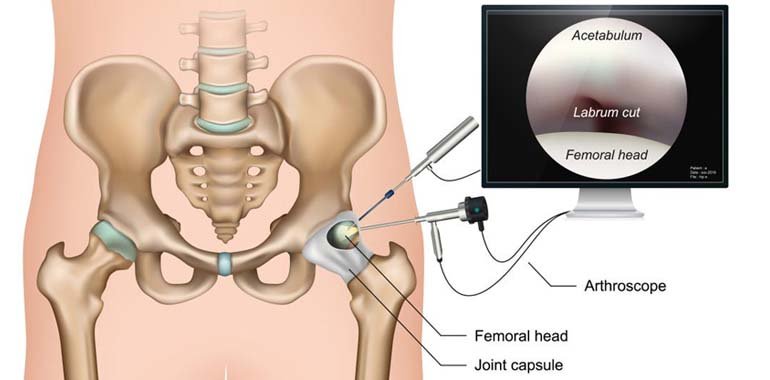
In my practice, I often meet patients in Dhaka who have been living with joint pain, back pain, or a stubborn injury for months. Many people try pain medicines, home remedies, or rest first. That is understandable. But when pain keeps returning, when walking becomes difficult, or when a joint feels unstable, it is time to think about proper orthopedic evaluation.
This guide is written for Bangladeshi patients and families who want a practical, realistic way to find the right kind of care. Orthopedic care is not only for surgery. It includes diagnosis, safe treatment planning, physiotherapy direction, and clear advice about when a specialist opinion is needed.
What orthopedic care means in practical terms
Orthopedic care focuses on problems of bones, joints, muscles, tendons, ligaments, and the spine. In a busy city like Dhaka, patients often see many different providers for the same complaint. One important point I want Bangladeshi patients to understand is that the first goal is clarity: what structure is causing the symptom, and why is it happening now?
Good orthopedic care usually includes:
- careful history and examination, not only an X-ray report
- a diagnosis that matches the symptoms and function
- a step-by-step treatment plan (often non-surgical first)
- guidance on physiotherapy, activity modification, and home exercises
- clear warning signs that require urgent review
When people search for orthopedic care in Dhaka, they are often looking for the shortest path to the right diagnosis and the safest next step.
When you should seek an orthopedic opinion
Not every ache needs a specialist. But certain patterns should not be ignored, especially when they affect work, prayer posture, walking, or sleep.
I recommend orthopedic evaluation when you have:
- pain lasting more than 2 to 3 weeks despite basic care
- swelling in a joint that keeps returning
- a knee or ankle that gives way, twists, or feels unstable
- locking, catching, or inability to fully bend/straighten a joint
- shoulder pain with weakness, night pain, or repeated dislocation feelings
- hip pain that limits walking or causes limping
- back pain with leg pain, numbness, or weakness
- pain after a fall, road traffic accident, or sports injury
If your goal is to get a strong plan and avoid long-term damage, early evaluation is often better than repeated guessing.
Where patients usually start in Dhaka (and what to watch for)
In Dhaka and across Bangladesh, many patients start with a pharmacy, a local clinic, or a general physician. This can be helpful for simple pain relief and initial assessment. The problem is when the same medicines are repeated for weeks without a clear diagnosis.
When patients tell me they have visited multiple places, I usually ask:
- Did anyone examine the joint properly, or only read reports?
- Was the diagnosis explained in simple language?
- Was physiotherapy planned, or only pain medicines given?
- Were red flags discussed (fracture, infection, nerve problem, blood clot)?
If these pieces were missing, it is reasonable to seek a more structured orthopedic assessment.
What type of orthopedic provider do you need?
Orthopedic care in Dhaka includes different levels and roles. Choosing the right one depends on your problem.
For chronic joint pain and arthritis
If you have knee pain, hip pain, or shoulder pain that is gradually worsening, you often need a clear diagnosis (arthritis, tendon problem, cartilage issue, labral problem, etc.) and a long-term plan. Treatment can include weight management, strengthening, activity changes, physiotherapy, injections in selected cases, and surgery only when appropriate.
For sports injuries and ligament problems
For twisting injuries, recurrent giving way, or a feeling that the knee is unstable, a sports injury-focused evaluation is important. In Dhaka, young athletes often return to activity too early. That can worsen meniscus or cartilage problems.
For fractures and trauma
After a fall or road traffic accident, the priority is to rule out fracture, joint dislocation, and nerve or circulation injury. This should be treated as urgent and should not be managed only with pain medicine at home.