
Shoulder Fracture
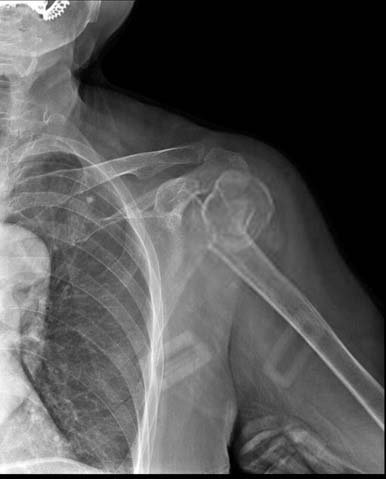
Injury to the shoulder is very common. It occurs from fall onto the shoulder to high velocity accidents.
-
Shoulder injuries can manifest as:
- Fractures: Broken bones around the shoulder can include clavicle (collar
bone), scapula (shoulder blade) and proximal humerus (upper end of arm
bone) - Dislocations: Can include dislocation of glenohumeral joint (ball and
socket joint), Acromioclavicular joint (between outer end of collar bone
and upper tip of shoulder blade) and sternoclavicular joint (between
inner end of collar bone and breastbone) - At times fracture and dislocations can occur together.
- Soft tissue injury (rotator cuff tear, labral tear, muscle/tendon injury can
occur isolated or in combination with fractures and dislocations.
Etiology:
Fractures usually occur due to fall or high velocity accident causing direct blow
to the shoulder. Sometimes in patents with very poor bone quality it can occur
due to fall from standing height.
Dislocations of the glenohumeral joint can occur due to falls or accidents. An
outward twisting injury of the arm leads to anterior dislocation (more common),
while backward directed forces/electric shocks or seizures lead to a posterior
dislocation.
Acromioclavicular dislocations occur due to falls or from lifting heavy objects.
Presentation and Imaging:
Patients usually present with
- Pain
- Swelling and/or bruising
- Unable to move the shoulder
- Deformity/ Awkward arm positions.
Severe injuries can present with a break in the skin and bone exposed and/or
with damage to nerves and vessels.
X-rays of the affected part will lead to the diagnosis. In some cases CT or MRI
may be required.
Treatment:
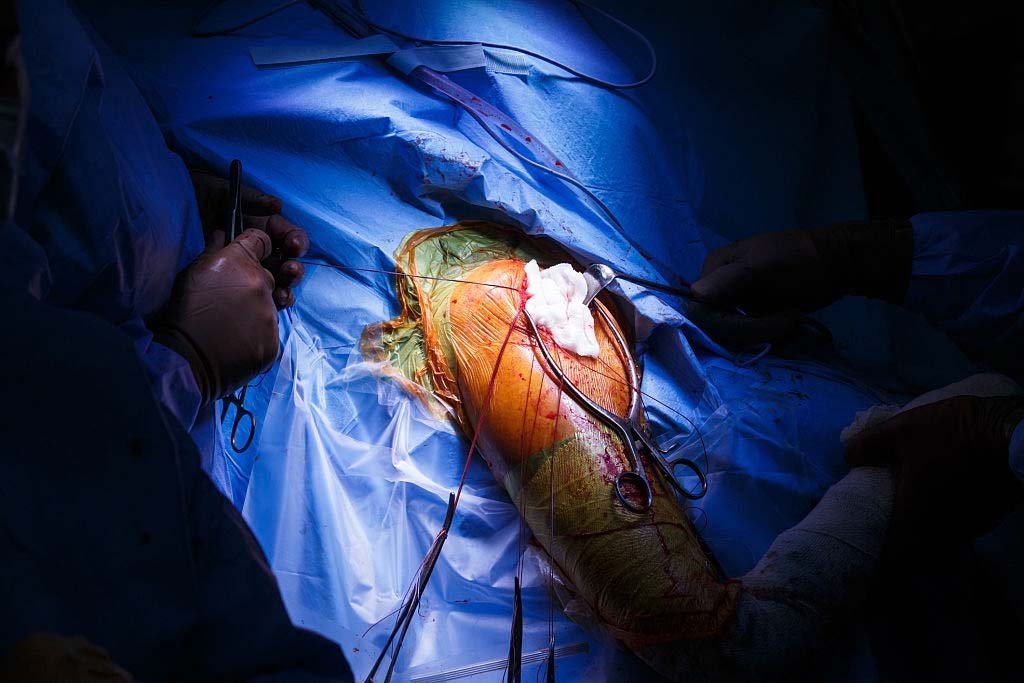
Open fractures or fractures with nerve/vessel involvement will usually be
treated surgically.
Proximal Humerus Fractures:
Non operative treatment can be tried if there is no/minimal displacement. If the
fragments are displaced a surgery is required either using plates and screws or a
shoulder replacement in some cases.
Clavicle fractures:
Most clavicle fractures can be managed non operatively unless there is gross
displacement of the fracture fragments or in a closed injury when the skin is
being tented from inside.. Surgery involves plate and screw fixation or fixing with rods.
Scapula fractures:
A majority of scapula fractures are treated without surgery. Sometimes when the
fracture involves the socket (glenoid) or associated with other fractures around
the shoulder surgery with screws and/or plates is needed.
Glenohumeral dislocations:
Initial treatment is aimed at reducing the joint in a closed manner and can be
done in emergency room or in the OT under anaesthesia. Sometimes open
reduction is required under anaesthesia. Once reduced further treatment
depends on the presence of any soft-tissue and or bony injury.
Acromioclavicular dislocations:
These injuries are treated on the basis of severity of the injury and requirements
of the patient. Less severe injuries are treated non-operatively while higher
severity injuries usually require surgery.
Rehabilitation:
Almost all shoulder injuries either operated upon or not will require a period of
immobilization and then gradual rehabilitation. Initial rehabilitation focuses on
gradual improvement of the range of movement and followed up with
strengthening exercises. Usually you will required focused physical therapy to
regain movement , strength and return to function.

